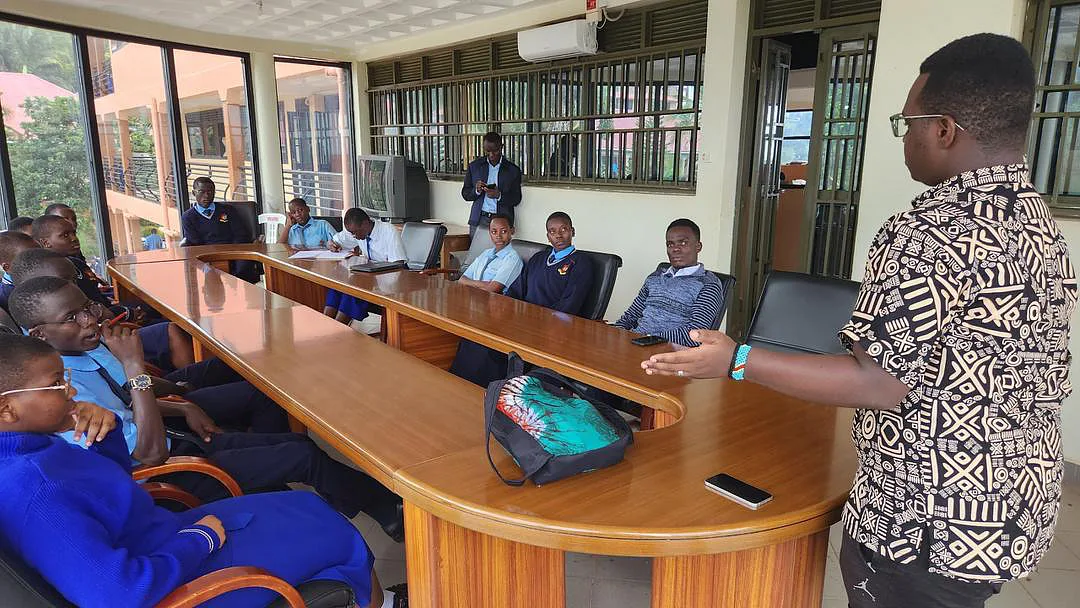
Young people do not live in isolation. Their wellbeing is shaped by the adults around them, which is why our work includes the families and communities young people come home to.
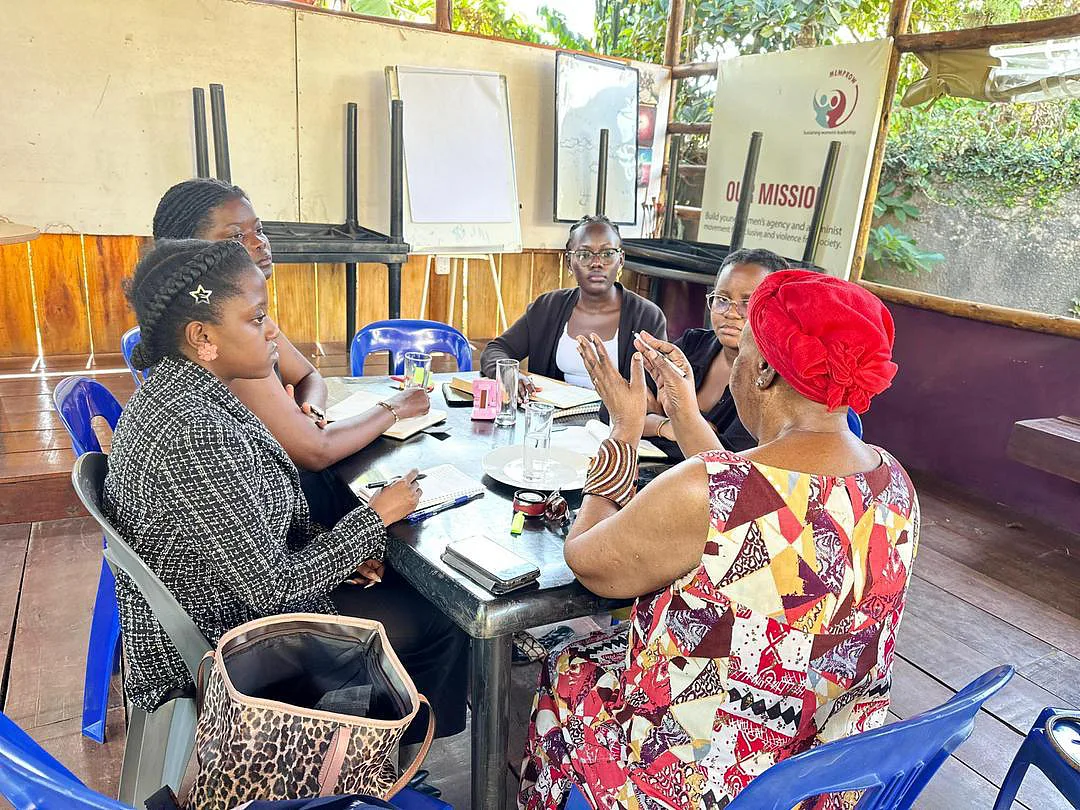
This month we hosted a community dialogue with women leaders, mothers and caregivers. Around the table, the conversation was warm, honest and at times emotional.
What we talked about
- The early signs that a young person may be struggling, such as withdrawal, changes in sleep or appetite, and sudden anger
- Why harsh words like "lazy" or "possessed" can push young people further away
- How to start a calm, supportive conversation at home
- Where families can turn for professional help
"We were raised to keep these things inside the house. Today I learned that talking is how we protect our children."
Changing the story, together
Stigma is learned, which means it can also be unlearned. When parents and community leaders understand mental health, they become powerful allies for the young people in their care.
Each participant left with a simple guide to supporting a young person in distress, and a promise to share what they learned with at least one other family. We will be holding more dialogues in the months ahead.